
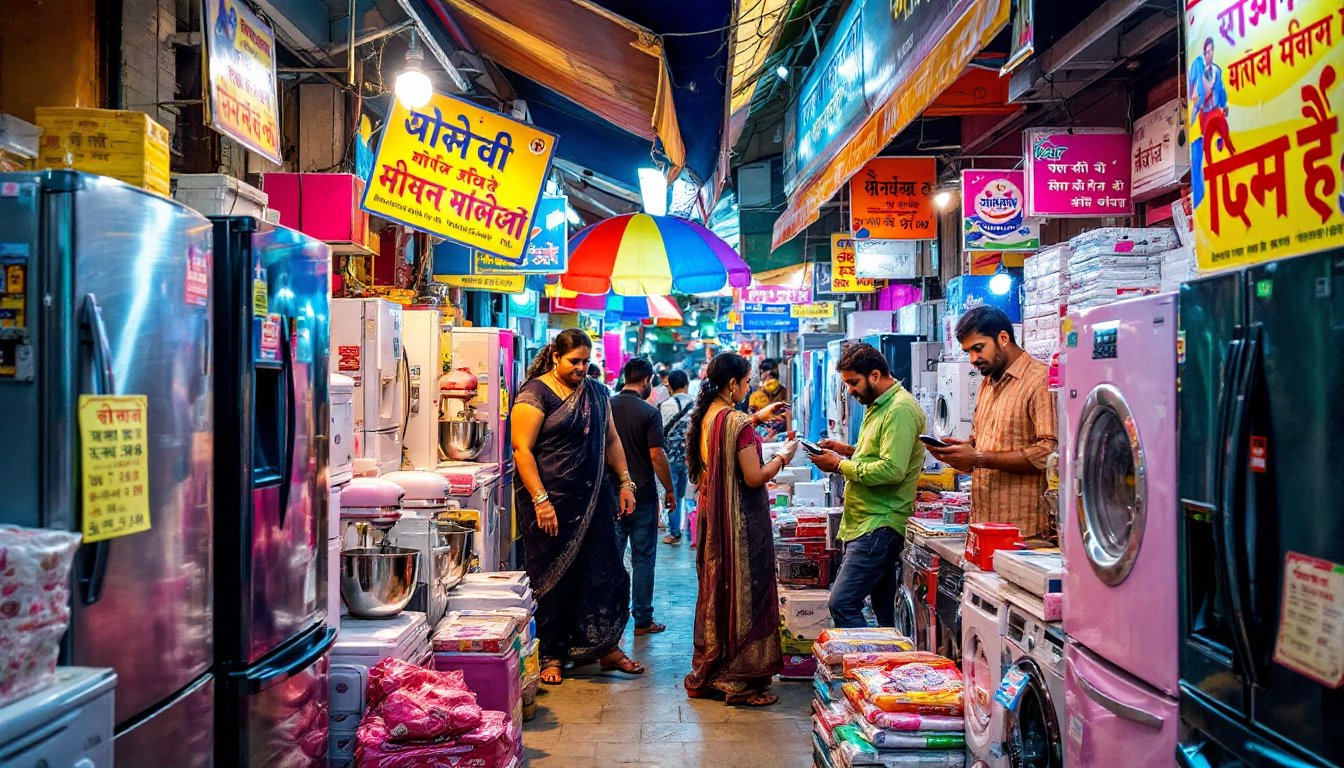
India’s consumer electronics and home appliances market is buzzing like a bee in a flower garden. With a population that loves gadgets and smart solutions, it’s no wonder the demand for the latest tech is soaring. From smart TVs that can outsmart your grandma to washing machines that practically do the laundry for you, this market is a treasure trove of innovation and convenience.
Table of Contents
ToggleOverview of India Consumer Electronics and Home Appliances Market
India’s consumer electronics and home appliances market displays significant growth potential. Expanding urbanization drives demand for smart gadgets in households. The marketplace values innovative products, with advanced smart TVs and highly automated washing machines at the forefront. Convenience factors heavily influence consumers’ purchasing decisions.
Smartphone penetration remains high, contributing to increased usage of smart technology. Statistics indicate nearly 750 million smartphone users in India, resulting in greater demand for connected devices. Energy-efficient appliances attract environmentally conscious buyers who prioritize sustainability.
Companies focus on offering diverse product ranges to cater to various consumer preferences. Brands frequently introduce cutting-edge features, such as artificial intelligence-based functionalities and IoT connectivity. This trend aligns with modern consumers’ expectations for smarter living solutions.
In addition, online retail channels grow as popular platforms for purchasing electronics and appliances. E-commerce sales accounted for approximately 30% of total consumer electronics sales in 2022. Shoppers appreciate the convenience of comparing prices and accessing customer reviews.
Market analysts predict continued growth, expecting the sector to reach $24 billion by 2026. Rising disposable income also fuels spending on electronics and home appliances. The ongoing demand for upgraded technology solutions drives innovation in the market, keeping brands competitive.
Ultimately, industry players must adapt to changing consumer behaviors and preferences to succeed. Embracing trends such as sustainability and smart technology will likely enhance market position for companies. This vibrant landscape reflects India’s dynamic shift towards a tech-savvy culture in daily living.
Market Trends and Drivers
India’s consumer electronics and home appliances market shows impressive trends driven by technological advancements and changing consumer preferences. Increased urbanization and smartphone penetration contribute significantly to this dynamic landscape.
Growth of E-commerce
E-commerce plays a crucial role in the market’s expansion. Approximately 30% of consumer electronics sales in 2022 came from online channels. Consumers appreciate the convenience of shopping from home, and brands are increasingly investing in digital platforms. Enhanced product visibility and comparison options help consumers make informed purchases. Promotions and discounts further attract more online shoppers. This growing online presence is set to reshape purchasing patterns in the years ahead.
Shift to Smart Appliances
Smart appliances are becoming indispensable for modern households. Consumers now favor products that integrate features like artificial intelligence and IoT connectivity. Features that enhance convenience and energy efficiency resonate well with environmentally conscious buyers. Smart TVs and automated washing machines exemplify this trend. As the transition to smarter living continues, manufacturers increase product offerings to meet evolving consumer expectations. The shift indicates a broad acceptance of technology that simplifies daily tasks.
Key Players in the Market
The Indian consumer electronics and home appliances market features several prominent players influencing the landscape. These entities cater to diverse consumer needs, driving industry innovation.
Domestic Manufacturers
Domestic manufacturers play a crucial role in the Indian market. Companies such as ONIDA and Whirlpool of India offer a range of products, including refrigerators and washing machines. Bajaj Electricals leads in lights and kitchen appliances. Another notable player, Havells India, focuses on electrical equipment and consumer goods. Their emphasis on energy-efficient and smart appliances aligns with consumer preferences for sustainable options. Together, these companies contribute to the growth of India’s home appliances sector, accounting for a significant share of the market.
International Brands
International brands significantly influence India’s consumer electronics and home appliances market. Samsung, LG, and Sony dominate, providing cutting-edge technology in televisions, smartphones, and home entertainment systems. Furthermore, brands like Bosch and Philips excel in kitchen and home appliances, known for their quality and innovation. These global giants meet the rising demand for high-tech products, enhancing consumer experiences. Collectively, international brands represent a substantial portion of the market, reflecting the trend toward premium features and advanced technology.
Consumer Preferences and Behavior
Consumer preferences in India’s electronics and home appliances market reveal significant insights into buyer behavior. Price sensitivity plays a crucial role in decision-making.
Price Sensitivity
Consumers demonstrate a strong awareness of pricing, which influences their purchases. Approximately 60% of Indian consumers prioritize affordability in electronics. This focus leads to a preference for budget-friendly brands and models without compromising on essential features. Promotional offers and discounts frequently attract attention, motivating purchases during sales events. Competitive pricing strategies help brands capture the interest of value-conscious buyers. Products that balance quality and cost effectively tend to perform better in this market.
Demand for Innovative Features
Innovation has become a vital factor in consumer choices. About 70% of Indian buyers express a preference for advanced features like smart technology and energy efficiency. Cutting-edge elements, such as artificial intelligence, contribute to high demand for appliances that simplify daily tasks. Consumers seek products that enhance convenience, such as washing machines with app controls and smart TVs with integrated services. With over 50% of consumers inclined towards eco-friendly solutions, innovation clearly aligns with sustainability goals. Companies that prioritize these features position themselves favorably in the increasingly competitive environment.
Challenges in the Market
India’s consumer electronics and home appliances market faces several challenges that impact growth and innovation.
Regulatory Hurdles
Regulatory hurdles create obstacles for manufacturers. Compliance with various standards and certifications necessitates significant resources and time. Stringent product safety regulations can delay launches. Additionally, continuously changing policies complicate market entry for new players. Companies must navigate these complexities while ensuring adherence to quality standards, which adds to operational costs. A lack of uniform regulations across states also presents challenges in distribution. Fulfilling these diverse regulatory requirements is essential for maintaining consumer trust and ensuring product reliability.
Supply Chain Disruptions
Supply chain disruptions have intensified in recent years. Fluctuations in raw material availability impact production timelines. Global events, like pandemics and trade disputes, further exacerbate these issues. Such disruptions hinder timely deliveries and escalate costs, affecting overall profitability. Companies often face difficulties in sourcing components, which leads to an imbalance in inventory management. Adapting logistics and supplier networks has become crucial for manufacturers. Investing in resilient supply chains enhances their ability to respond to market demands effectively.
Future Outlook
The consumer electronics and home appliances market in India is set for substantial transformation. Emerging technologies will play a pivotal role in shaping the future landscape of this sector.
Emerging Technologies
Smart devices increasingly dominate consumer preferences. The integration of artificial intelligence in appliances, for example, enhances automation and user experience. IoT connectivity allows seamless communication among devices, making homes smarter. Recent studies show that approximately 70% of consumers favor products with advanced features, driving manufacturers to innovate. Brands are also incorporating voice control and personalized settings to meet rising expectations. As smartphone penetration reaches 750 million users, the demand for compatible home gadgets expands significantly, creating new opportunities for businesses.
Sustainable Practices
Sustainability is increasingly important in consumer choices. Over 50% of Indian consumers express a preference for eco-friendly products. This shift encourages manufacturers to prioritize energy-efficient appliances that minimize environmental impact. Many companies are adopting sustainable sourcing practices, further appealing to environmentally conscious buyers. Regulatory compliance with environmental standards becomes critical to ensure market success. Enhanced recycling initiatives are also emerging as brands look to reduce waste and promote circular economies. Prioritizing these sustainable practices helps companies resonate with the growing segment of eco-minded consumers.
The consumer electronics and home appliances market in India is on an exciting trajectory. With a blend of innovation and sustainability driving consumer preferences, the sector is adapting to meet the demands of a tech-savvy population. Companies are not only focusing on advanced features but also prioritizing energy efficiency and eco-friendliness.
As urbanization continues to rise and disposable incomes increase, the market’s growth potential remains robust. The shift towards online retail is reshaping how consumers interact with brands, making convenience a top priority. Manufacturers that embrace these trends and invest in smart technology are well-positioned to thrive in this dynamic landscape. The future holds promise as the industry evolves to cater to the needs of modern consumers, paving the way for a smarter and more sustainable living experience.