
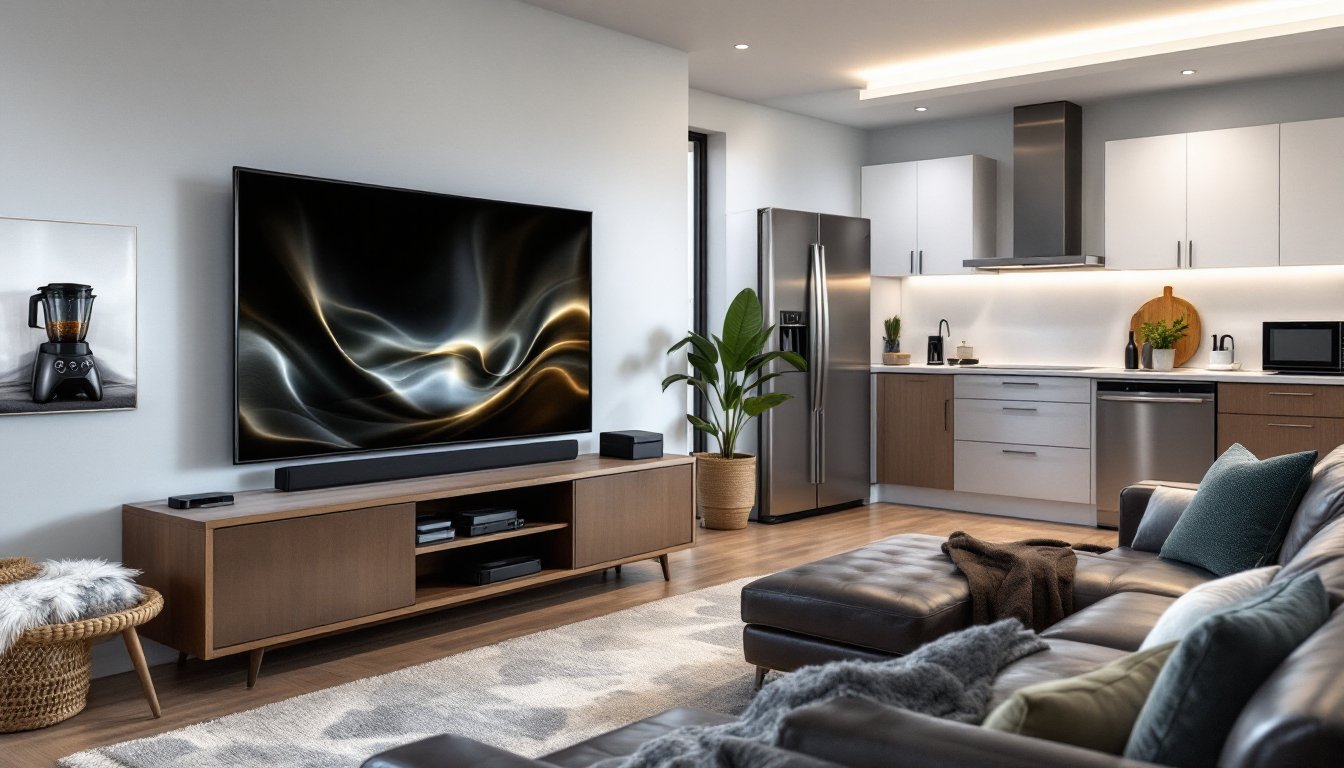
In a world where a toaster can outsmart your average college graduate, consumer electronics appliances have become the unsung heroes of modern living. These gadgets don’t just make life easier; they’ve turned homes into tech-savvy sanctuaries. From smart fridges that can add groceries to your shopping list to washing machines that practically fold your clothes for you, it’s a wild ride in the land of convenience.
Table of Contents
ToggleOverview of Consumer Electronics Appliances
Consumer electronics appliances significantly influence daily routines, offering unparalleled convenience and efficiency. These devices, designed for household use, include a wide range of products that enhance living conditions. Smart refrigerators enable users to monitor inventory and create grocery lists seamlessly. Advanced washing machines incorporate features like automatic folding, reducing the time spent on laundry tasks.
Various appliances contribute to the intelligent home ecosystem. Smart thermostats optimize energy consumption by learning users’ habits, adjusting temperatures accordingly. Wireless vacuum cleaners allow for easy cleaning on-demand, catering to busy lifestyles. Furthermore, voice-activated assistants control multiple devices, simplifying task management.
Innovations in consumer electronics lead to energy-saving appliances that comply with sustainability goals. Energy-efficient models reduce utility bills while maintaining performance levels. Integrated technology also promotes safety features, with appliances that alert users to potential issues like leaks or malfunctions.
The market for consumer electronics continues to expand, driven by advancements in connectivity and smart technology. Manufacturers invest heavily in research and development to create cutting-edge products that meet consumer demands. User feedback plays a crucial role in shaping future designs, ensuring that appliances remain functional and user-friendly.
Overall, consumer electronics appliances revolutionize household operations. They create a more efficient, enjoyable living experience by combining technology with everyday needs. The integration of smart features will likely continue to reshape residential environments as technology evolves.
Types of Consumer Electronics Appliances
Consumer electronics appliances encompass various types designed to enhance convenience and efficiency in daily life.
Home Appliances
Home appliances consist of devices that streamline household tasks. Smart refrigerators monitor and manage food inventory, reducing food waste. Advanced washing machines offer features like automatic folding, significantly cutting down laundry time. Dishwashers equipped with sensors optimize water usage and energy consumption. Smart thermostats work to regulate temperature, ensuring homes remain comfortable while maximizing energy efficiency. Connected systems enable users to control these appliances remotely, bringing an added layer of convenience and management.
Personal Devices
Personal devices include gadgets that cater to individual needs and enhance daily routines. Smartphones offer connectivity, allowing users to access apps for various tasks, from communication to health tracking. Wearable fitness trackers monitor activity levels and heart rates, promoting a healthier lifestyle. Tablets provide a versatile platform for work, entertainment, and education, adapting to various user preferences. Bluetooth headphones deliver high-quality audio while facilitating hands-free calls. These personal devices enrich user experiences by combining functionality with portability.
Key Features to Consider
When selecting consumer electronics appliances, prioritizing key features enhances overall satisfaction and efficiency. These features significantly impact daily life.
Energy Efficiency
Energy efficiency plays a critical role in modern appliances. Many devices come with energy-saving certifications, such as ENERGY STAR. These appliances use less power, resulting in reduced utility bills. Consumers may notice that energy-efficient models perform comparably to standard options while consuming less electricity. For example, a smart thermostat can optimize heating and cooling, further lowering energy costs. Overall, investing in energy-efficient appliances contributes to eco-friendly living and sustains environmental goals.
Smart Technology Integration
Smart technology integration transforms the way consumers interact with appliances. Many devices now connect to Wi-Fi, allowing users to control them remotely via smartphone apps. Voice-activation features enable hands-free operation, providing convenience and accessibility. Appliances that integrate smart technology, like refrigerators with inventory tracking and washing machines with customizable cycles, enhance usability and efficiency. Additionally, compatibility with home automation systems means users can create customized routines, streamlining household tasks and improving the overall living experience.
Top Brands in Consumer Electronics Appliances
Leading brands in consumer electronics appliances consistently innovate to meet user demands. Samsung excels in smart refrigerators, integrating advanced features like food tracking and energy management. LG focuses on washing machines that combine efficiency with smart technology, allowing for remote operation through mobile apps.
Whirlpool stands out with its commitment to energy-saving home appliances, providing reliable performance while reducing utility costs. Panasonic manufactures high-quality microwaves and rice cookers, known for their precision and durability.
Sony remains a top choice for personal devices such as headphones and televisions, delivering superior sound quality and vivid picture experiences. Apple dominates the personal electronics market, offering seamless integration across devices, which enriches user experience.
Bosch combines style with functionality in its dishwashers and kitchen appliances, earning a reputation for quality craftsmanship. KitchenAid, famous for its stand mixers, also provides various kitchen tools designed to enhance culinary experiences.
Philips specializes in personal care appliances, producing products like electric shavers and hairdryers that prioritize user comfort and design. Nest, acquired by Google, revolutionizes home automation with smart thermostats and security cameras, focusing on intuitive controls.
Electrolux manufactures various appliances, including refrigerators and ovens, emphasizing sustainability through energy-efficient designs. Each brand caters to different consumer needs, ensuring options are available to enhance modern living.
Trends in Consumer Electronics Appliances
Innovations in consumer electronics appliances reflect user preferences for connectivity and convenience. Smart appliances lead the charge, enabling seamless integration with home networks. For instance, smart refrigerators track inventory and suggest recipes based on available ingredients, making meal planning easier.
Energy efficiency remains a top priority among consumers. Increased demand for ENERGY STAR certified appliances highlights a commitment to sustainability without sacrificing performance. Advanced washing machines with eco-friendly settings exemplify this trend, reducing water and energy usage significantly.
Voice activation technology is becoming standard across many devices. From smart speakers to thermostats, users control their environment effortlessly through voice commands. This trend enhances the user experience and promotes accessibility within the smart home.
Additionally, personal devices are evolving quickly. Wearable fitness trackers not only monitor health metrics but also connect with smart home systems for a holistic approach to well-being. Tablets continue to dominate as versatile tools for education and entertainment.
Data connectivity also plays a critical role in appliance functionality. Wi-Fi enabled devices, such as robotic vacuum cleaners, provide convenience by allowing users to schedule cleaning through a smartphone app. This capability appeals to busy individuals seeking efficiency in daily routines.
Brand competition drives constant innovation in this space. Companies like Samsung and LG emphasize technological enhancements that meet modern lifestyle demands. Whirlpool’s focus on energy-efficient products further establishes its reputation in the market.
User feedback significantly influences appliance design and features. Manufacturers frequently evaluate consumer input to enhance usability and functionality. Adapting to trends ensures that these appliances remain relevant and effective in evolving households.
Consumer electronics appliances have undeniably reshaped modern living, making everyday tasks more manageable and efficient. As technology continues to advance, these devices will only become more integral to daily life. The focus on energy efficiency and smart technology ensures that consumers can enjoy both convenience and sustainability.
With a wide range of options available, individuals can select appliances that best suit their needs and lifestyles. The ongoing innovations from leading brands promise to enhance functionality while keeping user experience at the forefront. Embracing these advancements can lead to a more connected and efficient home environment, ultimately improving quality of life.