
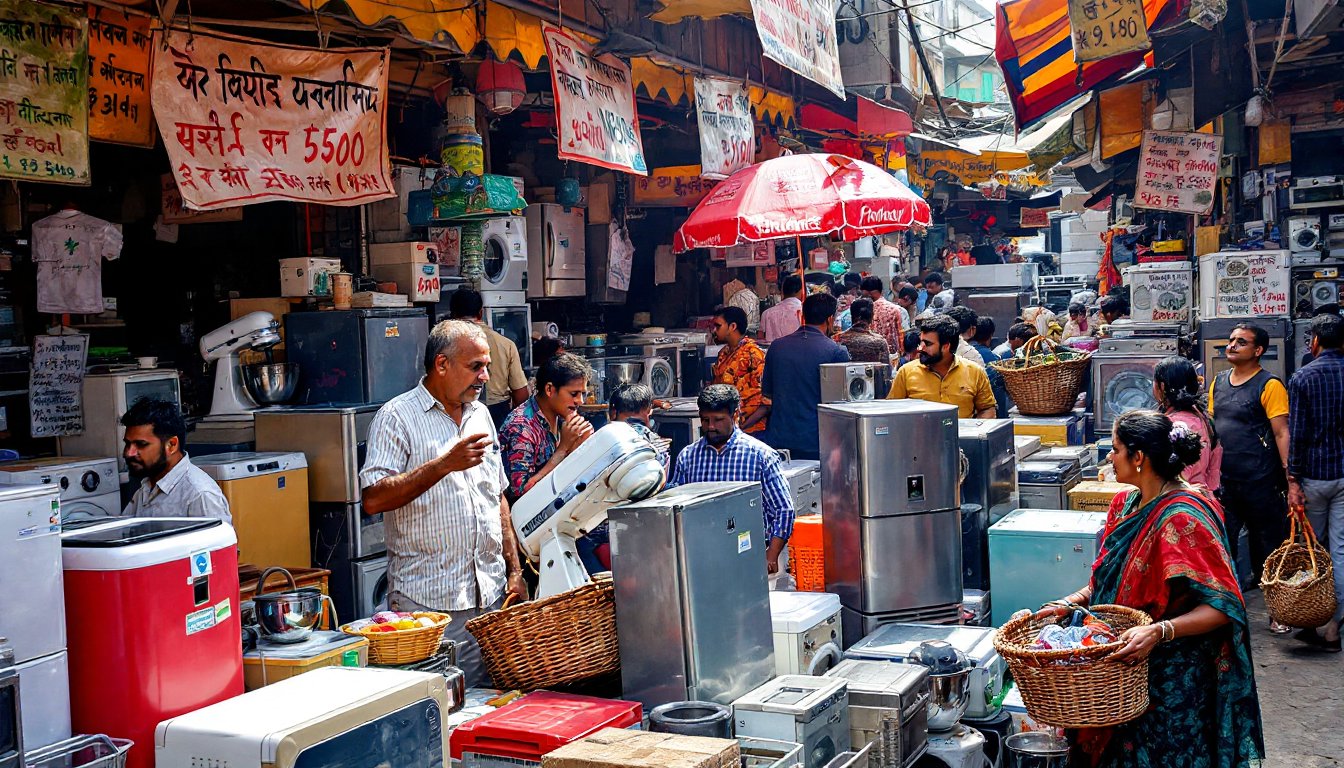
India’s consumer electronics and home appliances market is buzzing like a bee on a caffeine high. With a population that’s tech-savvy and eager to embrace the latest gadgets, this market is not just growing—it’s booming. From smartphones that practically have their own personalities to washing machines that can do your laundry while you binge-watch your favorite series, the options are endless.
Table of Contents
ToggleOverview of Consumer Electronics and Home Appliances Market in India
India’s consumer electronics and home appliances market experienced significant growth, driven by a tech-savvy population eager for innovation. The expansion of smartphone usage stands out with over 750 million smartphone users, reflecting a strong inclination towards connectivity. Additionally, the increasing demand for smart home devices showcases a trend toward automation and energy efficiency.
Television sales reached approximately 15 million units in 2022, showing a preference for larger, high-definition screens. Leading brands introduced smart TVs featuring integrated streaming services and voice control, appealing to diverse consumer preferences. Home appliances like refrigerators and washing machines also gained traction, creating a market value projected to reach USD 20 billion by 2025.
The rise of e-commerce has revolutionized how consumers purchase electronics and appliances. Online sales channels now account for around 30% of overall transactions, allowing consumers easy access to a variety of products and competitive prices. Promotions during festivals attract millions of shoppers, further boosting sales figures.
Government initiatives promoting ‘Make in India’ encourage local manufacturing, leading to cost reductions and increased job creation. Brand loyalty strengthens as consumers increasingly favor established local brands offering reliable after-sales service. As sustainability gains prominence, eco-friendly appliances attract environmentally conscious buyers.
Technological advancements continually reshape the market landscape. Innovations such as AI and IoT integration enhance user experience, driving product development. Companies also invest in research and development to remain competitive, focusing on features that cater to modern lifestyles.
Overall, India’s consumer electronics and home appliances market is poised for ongoing growth, fueled by a young population and heightened digital engagement.
Key Market Trends
India’s consumer electronics and home appliances market showcases dynamic growth driven by several factors. The tech-savvy population eagerly embraces innovative gadgets, creating substantial demand for advanced features.
Growth Drivers
Significant growth drivers include increasing disposable income and changing lifestyles. Urbanization enhances consumer access to a variety of products. A vibrant youth demographic spurs interest in the latest technology, particularly smartphones, with over 750 million users actively engaged. Online shopping trends highlight the shift in purchasing behavior, making up approximately 30% of sales. Attractive festival promotions attract millions of shoppers, further boosting transaction volumes. Government initiatives like “Make in India” boost local manufacturing, promoting brand loyalty towards established domestic brands. As eco-consciousness rises, ordinary buyers lean towards eco-friendly appliances that promise energy savings and sustainability.
Emerging Technologies
Emerging technologies continue to reshape the market landscape. Integration of artificial intelligence and the Internet of Things enhances functionality across devices. Smart home devices streamline operations and promote energy efficiency, aligning with consumer preferences for automation. AI-powered features, such as voice control and personalized recommendations, cater to modern lifestyles and elevate user experiences. Companies invest heavily in research and development to capitalize on these technological advancements. Additionally, innovative product designs focus on aesthetic appeal and functionality, driving consumer interest and increasing purchase intent. The influx of cutting-edge technologies positions India’s market for sustained growth.
Major Players in the Market
The consumer electronics and home appliances market in India features a blend of strong domestic and international brands. These companies play crucial roles in shaping market trends and consumer preferences.
Domestic Brands
Homegrown brands like LG India, Whirlpool India, and Godrej dominate the landscape. LG India enjoys a significant presence in televisions and refrigerators, continually launching innovative features that appeal to modern consumers. Whirlpool India focuses on washing machines and kitchen appliances, with smart technologies enhancing user convenience. Godrej excels in refrigerators and air conditioners, emphasizing energy efficiency, sustainability, and unique designs to attract eco-conscious buyers. Each of these domestic brands contributes to local employment and aligns with market growth projections.
International Brands
International brands such as Samsung, Sony, and Panasonic significantly impact the Indian market. Samsung leads in smartphone sales, leveraging advanced technology to remain competitive. Sony’s high-definition televisions capture consumer interest, driven by superior picture quality and cutting-edge features. Panasonic also holds a strong position in home appliances, with a focus on innovation and user-centric designs. Collectively, these international players adapt their strategies to align with evolving consumer demands, further enhancing the market’s dynamic nature.
Consumer Preferences and Behavior
India’s consumer electronics and home appliances market reflects unique preferences and behaviors that shape purchasing decisions. Buyers prioritize technology, innovation, and design while seeking value in their investments.
Buying Patterns
Smartphones account for a significant portion of consumer purchases. With over 750 million users, frequent upgrades and new features capture buyer interest. Consumers prefer online shopping, representing about 30% of transactions. Promotions during festivals enhance sales, leading to increased activity in both offline and online markets. In the home appliances sector, choices often lean toward energy-efficient models, showcasing a clear trend towards sustainable living. Purchasers exhibit brand loyalty, especially towards domestic brands known for reliability and service.
Trends Influencing Purchases
Automated devices capture the attention of tech-savvy users. Smart home technology improves convenience, prompting consumers to seek products that integrate seamlessly into their daily lives. The rise of AI and IoT influences purchasing patterns, as buyers consider products that offer greater connectivity and control. Eco-friendliness drives interest, with many opting for appliances that prioritize sustainability. The youth demographic often leads trends, setting the stage for demand in innovative gadgets. As lifestyles evolve, consumers increasingly prioritize multifunctionality, choosing products that maximize utility and aesthetics.
Challenges Facing the Market
The consumer electronics and home appliances market in India faces several challenges that may impact its growth trajectory.
Supply Chain Issues
Supply chain disruptions continue to hinder efficiency in product delivery. Manufacturers confront challenges in sourcing components due to global shortages. Increased transportation costs contribute to delays and reduced profit margins for companies. Distribution networks struggle to keep pace with the growing demand, leading to stock shortages in retail outlets. Local manufacturers find it hard to maintain consistency in production levels, which impacts overall market reliability.
Competition and Pricing Pressures
Intense competition among brands puts significant pressure on pricing strategies. Domestic and international brands compete fiercely to capture market share, often leading to aggressive promotions. Price wars reduce profit margins, affecting the sustainability of many companies. Consumers benefit from lower prices but may face fewer choices as brands consolidate. Manufacturers increasingly focus on innovation to differentiate their offerings, though this requires substantial investment. The need to balance quality and affordability complicates decision-making for many brands, influencing how they approach product development.
Future Outlook for the Market
Growth in India’s consumer electronics and home appliances market remains robust, backed by a tech-savvy population and evolving trends. Projections indicate the market value may reach USD 20 billion by 2025, driven by increasing disposable income and changing consumer lifestyles. Urbanization enhances access to an array of innovative products, with significant demand for smart home devices emerging.
Smartphone usage, now exceeding 750 million users, illustrates a deep-rooted interest in connectivity and advanced features. Television sales reached around 15 million units in 2022, reflecting consumers’ preferences for larger high-definition screens and smart TVs that integrate streaming services and voice control capabilities. Furthermore, home appliances like refrigerators and washing machines increasingly capture consumer attention, evidencing a shift towards multifunctionality and energy efficiency.
Emerging trends indicate a growing emphasis on sustainability, as eco-friendly appliances attract environmentally conscious buyers. Companies prioritize research and development to stay ahead, particularly in incorporating AI and IoT into product designs. These technological advancements enhance user experiences and streamline operations in smart homes.
Consumer preferences increasingly reflect a desire for value, quality, and innovative design. Brand loyalty towards domestic names such as LG India, Whirlpool India, and Godrej also shapes purchasing decisions. International players like Samsung and Sony significantly influence smartphone and television segments, respectively, ensuring competition remains fierce.
Challenges, including supply chain disruptions and component shortages, pose threats to growth. Manufacturers grapple with sourcing materials and facing escalated transportation costs, impacting delivery timelines and profit margins. Pricing pressures from intense competition further complicate the landscape, as brands navigate promotional strategies while preserving product quality.
Overall, the future of India’s consumer electronics and home appliances market hinges on its young and digitally engaged population, despite challenges that require strategic navigation.
India’s consumer electronics and home appliances market is poised for remarkable growth. With a tech-savvy population eager for innovation and sustainability, the demand for smart devices is on the rise. As urbanization and disposable income increase, consumers are embracing advanced technology in their homes.
Domestic and international brands are adapting to these shifts, focusing on quality and design while navigating challenges like supply chain disruptions. The future looks bright as the market is expected to reach USD 20 billion by 2025. Companies that prioritize consumer preferences for energy efficiency and automation will likely thrive in this dynamic landscape. The ongoing evolution of this market reflects a blend of technology, lifestyle changes, and a commitment to sustainability, making it an exciting space to watch.