

In a world where science fiction often feels like science fact, biotechnology solutions are leading the charge into a healthier, more sustainable future. Imagine a world where crops grow bigger and stronger, medicines are tailored just for you, and waste is transformed into energy. Sounds like a plot twist from a blockbuster movie, right? But it’s happening right now, thanks to the magic of biotechnology.
Overview of Biotechnology Solutions
Biotechnology solutions encompass a wide range of applications that leverage biological systems, organisms, or derivatives to develop products and processes. These applications span various sectors, including agriculture, healthcare, and environmental management.
In agriculture, biotechnology enhances crop growth through methods like genetic modification and tissue culture. These techniques improve pest resistance, increase yield, and contribute to sustainable farming practices. Notably, genetically modified organisms (GMOs) have demonstrated significant potential in reducing pesticide use and boosting food production efficiency.
Healthcare benefits from biotechnology through advancements in personalized medicine and regenerative therapies. Biopharmaceuticals derived from biotechnology play a crucial role in treating diseases with tailored treatments that match individual genetic profiles. This approach not only improves patient outcomes but also minimizes side effects associated with traditional medications.
Environmental management embraces biotechnology solutions to address waste and pollution issues. Processes such as bioremediation use microorganisms to clean contaminated environments, while biofuels derived from organic materials offer renewable energy sources. Utilizing waste for energy production exemplifies how biotechnology aids in creating more sustainable systems.
Collectively, these solutions highlight the power of biotechnology in fostering innovation and sustainability. As industries leverage these advancements, they contribute to a healthier planet and improve quality of life for individuals globally. Through ongoing research and investment, the future of biotechnology continues to expand, unlocking new possibilities in tackling pressing challenges.
Key Areas of Biotechnology
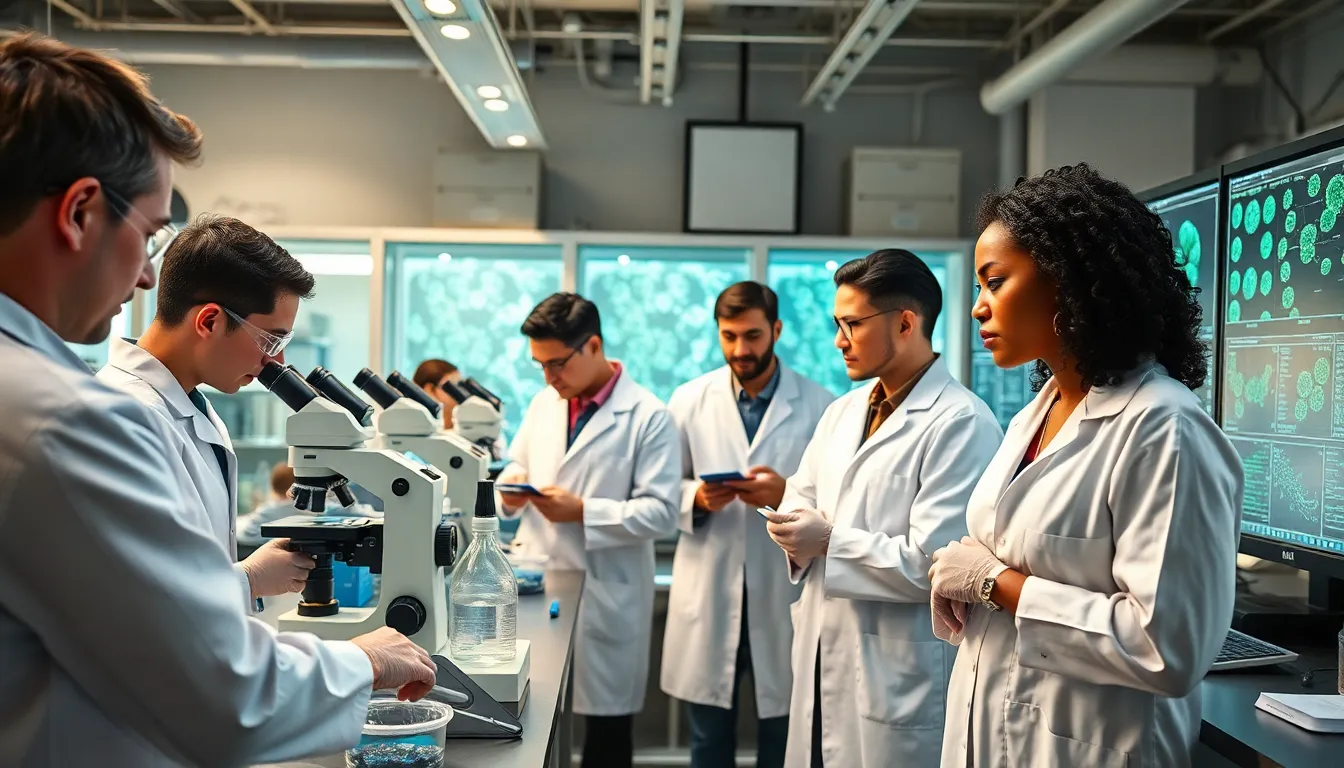
Biotechnology encompasses various fields that leverage biological systems to address current global challenges. Key areas include medical, agricultural, and industrial biotechnology.
Medical Biotechnology
Medical biotechnology focuses on developing innovative therapies and diagnostic tools. Techniques such as gene therapy and monoclonal antibodies revolutionize the treatment of diseases like cancer and genetic disorders. Personalized medicine tailors treatments to the individual patient’s genetic profiles, significantly improving outcomes. Advances in regenerative medicine utilize stem cells to rebuild damaged tissues and organs, offering solutions for previously intractable conditions. Biopharmaceuticals, derived from biological sources, provide targeted treatment options while minimizing side effects.
Agricultural Biotechnology
Agricultural biotechnology aims to enhance food production and sustainability. Genetic modification improves crop resistance to pests and diseases, decreasing the need for chemical pesticides. Biotech crops often exhibit improved nutritional profiles, benefiting consumer health. Innovations like tissue culture enable rapid propagation of plants, ensuring consistent supply. The development of biofortified crops addresses malnutrition in vulnerable populations, showcasing biotechnology’s potential to solve pressing food security issues. Sustainable agricultural practices supported by biotechnology contribute to environmental conservation.
Industrial Biotechnology
Industrial biotechnology streamlines manufacturing processes through biological methods. Enzymes and microorganisms replace traditional chemical processes, leading to more sustainable production methods. These bioprocesses often reduce energy consumption and waste generation, minimizing environmental impact. Biofuels, produced from renewable biomass, offer sustainable energy alternatives that help decrease reliance on fossil fuels. Additionally, biotechnology promotes the recycling of waste materials, transforming them into valuable products. This sector continues to drive innovation, enhancing efficiency and sustainability across various industries.
Benefits of Biotechnology Solutions
Biotechnology solutions yield significant advantages across various sectors. These benefits include economic impacts and contributions to environmental sustainability.
Economic Impact
Economic growth receives a boost through biotechnology solutions. The agricultural sector benefits greatly by increasing efficiency and productivity, which enhances food security. In healthcare, personalized medicine and novel treatments lower healthcare costs while improving patient care. Biopharmaceuticals generate billions of dollars in revenue, driving job creation and innovation. Industrial biotechnology enhances manufacturing processes, making them more resource-efficient. These advancements often lead to reduced waste and lower energy consumption, ultimately contributing to long-term economic viability.
Environmental Sustainability
Environmental sustainability sees notable improvements due to biotechnology solutions. Bioremediation techniques effectively clean up contaminated sites, promoting healthier ecosystems. The production of biofuels reduces dependency on fossil fuels, leading to lower greenhouse gas emissions. Genetic modification of crops improves resilience against climate change, fostering agricultural sustainability. Additionally, waste materials transform into valuable products, minimizing landfill use. Sustainable practices in biotechnology contribute to preserving biodiversity and enhancing resource conservation, which benefits both the planet and future generations.
Challenges in Biotechnology Solutions
Biotechnology solutions face numerous challenges that can hinder their development and implementation. Key obstacles include regulatory hurdles and ethical considerations, which both play a significant role in shaping the landscape of this industry.
Regulatory Hurdles
Regulatory hurdles pose significant challenges in biotechnology. Regulatory agencies often impose strict guidelines, leading to lengthy approval processes for new products. The complexity of regulations can deter innovation, as companies spend substantial time and resources navigating red tape. In many regions, differing regulations create confusion, complicating international collaboration. Meeting safety, efficacy, and environmental standards demands rigorous testing, which extends timelines and increases costs. Well-defined pathways for approval can facilitate progress, yet disparities often persist, slowing the pace of advancements.
Ethical Considerations
Ethical considerations remain paramount in the field of biotechnology. Genetic modification raises moral questions regarding the manipulation of organisms. Concerns about potential long-term effects on ecosystems heighten anxiety among communities and stakeholders. In healthcare, personalized medicine introduces dilemmas related to data privacy and informed consent. Equity in access to biotechnological advancements, especially in marginalized populations, warrants attention and action. Addressing ethical issues early in the development process fosters trust and promotes acceptance of biotechnological innovations. Engaging with interdisciplinary perspectives ensures that ethical frameworks align with scientific progress.
Future Trends in Biotechnology Solutions
Emerging trends in biotechnology showcase the sector’s exciting potential. Synthetic biology stands out, utilizing engineering principles to design new biological parts. This approach enables the creation of organisms with tailored characteristics for applications in health and agriculture.
Increased focus on CRISPR technology is evident. This gene-editing tool allows precise modifications to DNA, paving the way for advancements in disease treatment and crop improvement. Enhanced efficiency in these processes boosts productivity and reduces the time required for research and development.
Personalized medicine is set to expand significantly. The use of genetic information allows treatments to fit individual patient profiles, improving outcomes. This trend also includes the combination of AI with genomic data, leading to better predictive models for disease prevention.
Sustainable practices gain traction within biotechnology. Companies increasingly seek to align with eco-friendly goals, emphasizing the production of renewable biofuels and biodegradable materials. These developments directly contribute to reduced greenhouse gas emissions and reliance on fossil fuels.
Collaborative research networks enhance innovation. By pooling resources and expertise, institutions can tackle complex challenges in health and agriculture more effectively. Such collaborations foster rapid advancements, facilitating the transfer of knowledge across sectors.
Lastly, regulatory frameworks are evolving to adapt to rapid advancements. Policymakers are increasingly developing guidelines that balance innovation with safety. This systemic approach ensures that biotechnology solutions remain accessible and beneficial to society.
Biotechnology solutions are reshaping industries and addressing global challenges with innovative approaches. Their potential to enhance food security improve healthcare outcomes and promote environmental sustainability is undeniable. As the sector evolves it continues to break new ground through advancements in genetic engineering personalized medicine and sustainable practices.
The ongoing commitment to research and collaboration will be vital in overcoming regulatory and ethical hurdles. By fostering dialogue and understanding around these issues society can better embrace the benefits of biotechnology. The future holds promise as these solutions pave the way for a healthier planet and improved quality of life for all.