

In a world where science fiction often dances with reality, biotech developments are leading the charge. Imagine a future where diseases are not just treated but outright conquered, where crops can thrive in the harshest conditions, and where lab-grown meats could save the planet. It sounds like the plot of a blockbuster movie, but these innovations are happening right now, and they’re more thrilling than a superhero flick.
As scientists push the boundaries of what’s possible, the biotech industry is transforming how we live, eat, and heal. From CRISPR gene editing to personalized medicine, these advancements promise not just to enhance our lives but to make them downright extraordinary. Buckle up, because the biotech revolution is here, and it’s bringing along a host of benefits that could change the world as we know it.
Overview of Biotech Developments
Biotech developments are rapidly advancing, creating significant changes in various sectors. Recent innovations like CRISPR gene editing allow precise modifications to DNA, leading to groundbreaking treatments for genetic disorders. Personalized medicine is becoming common, tailoring healthcare solutions to individual genetic profiles, thus enhancing treatment efficacy and reducing side effects.
Agricultural biotechnology introduces methods to enhance crop resilience against pests and climate change. Techniques such as gene editing enable the development of crops that require fewer resources while thriving in challenging conditions. This innovation may ensure food security in an increasingly unpredictable environment.
Lab-grown meats represent a shift in food production. These products require fewer resources than traditional farming and can significantly reduce greenhouse gas emissions. The availability of sustainable alternatives to conventional meat could transform dietary practices and address global food shortages.
Moreover, advances in biomanufacturing streamline the creation of pharmaceuticals and biofuels. Techniques in synthetic biology lead to more efficient production methods, lowering costs, and improving accessibility. All these advancements contribute to a healthier planet and population.
Partnerships between biotech companies and research institutions accelerate discoveries in the field. Collaborations help translate scientific research into practical applications faster. Investment in biotech startups is increasing, further driving innovation and expanding the potential of biotechnology.
Emerging technologies in biotechnology present opportunities to mitigate some of the world’s most pressing challenges. As development continues, the impact on health, agriculture, and environmental sustainability is poised for significant growth, reshaping industries and lives alike.
Key Areas of Biotech Innovations
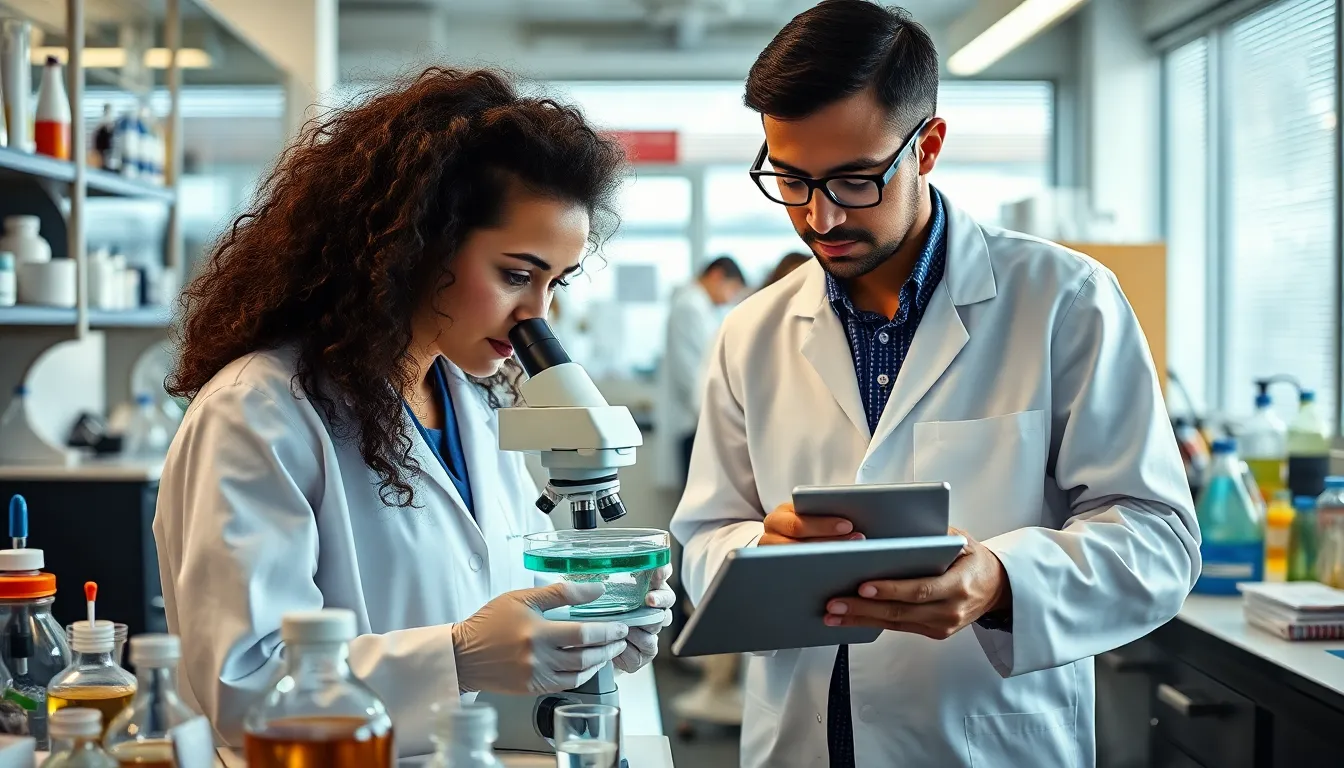
Biotechnology encompasses various transformative fields that continue to evolve rapidly. Key areas include agricultural biotechnology, medical biotechnology, and industrial biotechnology.
Agricultural Biotechnology
Agricultural biotechnology focuses on enhancing crop production and resilience. Genetically modified organisms play a vital role in developing pest-resistant and drought-tolerant plants. These innovations contribute significantly to food security, particularly in regions vulnerable to climate change. Traits are now engineered to increase yield, reducing reliance on chemical pesticides. Biofortification has also emerged, improving nutritional content in staple crops to combat malnutrition globally.
Medical Biotechnology
Medical biotechnology revolutionizes healthcare by delivering targeted therapies and diagnostics. Techniques involving CRISPR gene editing effectively treat genetic disorders, enabling tailored treatments for individuals. Advancements in personalized medicine cater to specific genetic profiles, optimizing response to therapeutics. Biopharmaceuticals, including monoclonal antibodies, provide powerful therapeutic options against diseases like cancer. Innovations in diagnostics, such as rapid testing methods, enhance disease detection and management, ultimately improving patient outcomes.
Industrial Biotechnology
Industrial biotechnology aims to produce sustainable materials and energy. Biomanufacturing processes streamline the production of drugs, chemicals, and biofuels, minimizing environmental impact. Enzymes and microorganisms drive these processes, enhancing efficiency and reducing waste. Companies are now integrating biotechnology into various sectors to improve resource utilization. Waste-to-energy technologies convert organic waste into valuable energy, supporting circular economy principles. Efforts in this area contribute to reducing greenhouse gas emissions and promoting sustainability across industries.
Recent Breakthroughs in Biotech
Recent advancements in biotechnology are unveiling new opportunities across various fields. Innovations in gene editing and biopharmaceutical development play crucial roles in this transformation.
Gene Editing Technologies
Gene editing technologies, particularly CRISPR, enable precise alterations in DNA. This advancement facilitates targeted treatments for genetic disorders. Diseases such as sickle cell anemia are becoming treatable. Therapies derived from these techniques show promise in clinical trials. The ability to edit genes also enhances agricultural productivity; pest-resistant crops emerge faster than ever. Innovations in gene editing are setting a foundation for a new era in personalized medicine.
Biopharmaceutical Advances
Biopharmaceutical production is experiencing remarkable evolution, improving drug efficacy and accessibility. New therapies designed for complex conditions like cancer are now more targeted. Advances in biologics and monoclonal antibodies are leading the way. Treatments using these methods can effectively combat diseases with fewer side effects. Furthermore, the integration of AI in drug discovery accelerates the development timeline, making the process more efficient. This evolution in biopharmaceuticals signifies a substantial leap forward in medical technology.
The Future of Biotech Developments
Biotech developments hold immense promise, shaping sectors like healthcare and agriculture through innovative solutions. The following sections highlight key trends and ethical considerations that influence this evolving field.
Emerging Trends
Innovative practices are transforming the biotech landscape. Integration of AI is streamlining drug discovery processes, enhancing speed and efficiency in therapeutic development. CRISPR technology continues to advance, enabling precise genome editing tailored to individual needs. Lab-grown meats are gaining traction, addressing food security while reducing environmental footprints. Focus on personalized medicine is escalating, allowing treatments designed for specific genetic profiles, thus improving patient outcomes. Development of sustainable practices in production processes is becoming essential, as industries aim to minimize waste and environmental impacts.
Ethical Considerations
Ethical dilemmas are increasingly significant as biotechnology evolves. Genetic editing raises questions about safety and long-term implications, particularly regarding heritable modifications. Transparency in biopharmaceutical processes is necessary to build public trust and ensure informed consent among patients. Concerns about accessibility persist, highlighting the need for equitable distribution of biotechnological advancements. Ongoing discourse around the implications of lab-grown meat on animal welfare and traditional farming practices contributes to broader discussions on sustainability. Responsible innovation must remain a priority, balancing scientific progress with ethical responsibility to foster societal acceptance and benefit.
Biotechnology is at the forefront of transformative change across multiple sectors. The potential to revolutionize health and food production is immense. As innovations continue to emerge the focus on responsible practices and ethical considerations will be crucial.
The advancements in gene editing and personalized medicine promise to redefine healthcare while agricultural innovations may secure food sources for the growing population. With increased investment and collaboration between biotech firms and research institutions the future looks bright.
As these developments unfold they carry the potential to not only enhance individual lives but to create a more sustainable and equitable world. Embracing these changes will be essential for harnessing the full benefits of biotechnology.