
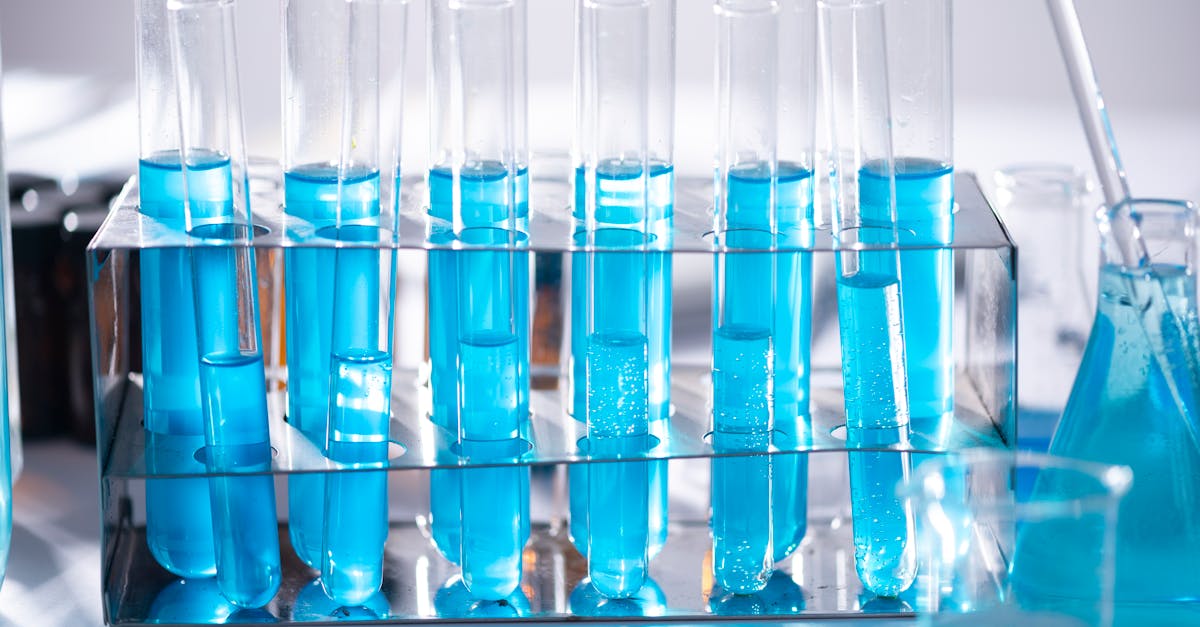
Biotech’s like the cool kid in the science class—mixing biology with technology to create some seriously impressive solutions. Imagine harnessing the power of living organisms to tackle everything from pesky diseases to sustainable farming. It’s not just about test tubes and lab coats; it’s where innovation meets nature, and the results are nothing short of magical.
Table of Contents
ToggleUnderstanding Biotech
Biotechnology merges biology and technology to create solutions for real-world problems. It involves using living organisms, systems, and processes to develop products that improve lives. Applications in healthcare include gene therapy, where modified DNA targets genetic disorders. Recent advancements in CRISPR technology allow precise editing of genes, paving the way for new treatments.
Agri-biotechnology focuses on enhancing crop yield and resilience. Genetically modified organisms (GMOs), such as Bt cotton and Roundup Ready soybeans, provide resistance to pests and herbicides. This innovation promotes sustainable farming practices through reduced chemical use.
Environmental biotechnology addresses pollution and waste management through bioremediation. Microorganisms play a critical role in breaking down contaminants like oil spills. Researchers further explore microbial fuel cells to convert waste into energy.
Industrial biotechnology applies enzymes and microorganisms to create biofuels, biodegradable plastics, and other products. This minimizes fossil fuel dependence while promoting eco-friendly alternatives.
Regulatory frameworks govern biotech innovations to ensure safety and ethical considerations. In the U.S., the FDA and USDA oversee biotechnology products pertaining to food and medicine. Global collaboration among scientists, governments, and industries drives progress in the field, leading to innovative solutions that benefit society and the environment.
These examples illustrate the significant impact of biotechnology across various sectors. With a focus on leveraging biological processes, this complex discipline continues to evolve, offering promising pathways for future advancements.
The History of Biotechnology
Biotechnology has a rich history filled with significant developments and innovations. Tracing its roots reveals how ancient practices laid the groundwork for modern advancements.
Early Innovations
Early adaptations of biotechnology began around 5000 BC with fermentation processes. Ancient Egyptians used yeast for brewing beer, showcasing the utilization of microorganisms. Similarly, methods of cheese-making date back thousands of years, indicating the significance of bioprocessing in early cultures. By the 19th century, Louis Pasteur’s discoveries about fermentation further propelled the field, emphasizing the role of microorganisms in food preservation and disease prevention. His foundational work on pasteurization marked a crucial turning point. Such early innovations set the stage for contemporary biotechnology, illustrating its long-standing presence in human activities.
Key Milestones
The 20th century saw groundbreaking advancements in biotechnology, particularly in molecular biology. In 1953, James Watson and Francis Crick unveiled the double helix structure of DNA, unlocking new possibilities in genetic research. The development of recombinant DNA technology in the 1970s allowed scientists to splice genes from one organism into another, paving the way for genetically modified organisms. The first GMO, a genetically engineered bacterium, emerged in 1973. Another milestone occurred in 1982 when insulin produced by bacteria became the first genetically engineered pharmaceutical product available for human use. These key milestones reflect biotechnology’s evolution from ancient practices to a sophisticated modern field, revealing its immense potential.
Types of Biotechnology
Biotechnology encompasses various fields, each with specific applications that address different challenges.
Medical Biotechnology
Medical biotechnology focuses on developing therapies and diagnostics to improve health outcomes. This area includes gene therapy, which modifies genes to treat diseases, and monoclonal antibodies used for precise targeting in cancer treatments. Advances like CRISPR technology enable precise genetic editing, allowing scientists to correct genetic disorders. Vaccines produced through biotechnological methods bolster public health by preventing infectious diseases. The integration of biotechnology in personalized medicine tailors treatment based on an individual’s genetic makeup, enhancing effectiveness. Additionally, diagnostics are refined to provide quick and accurate disease identification, driving innovations in disease management.
Agricultural Biotechnology
Agricultural biotechnology enhances crop production and resilience through genetic modification. This field employs genetically modified organisms (GMOs) to create crops that withstand pests, diseases, and extreme weather. Traits such as increased yield and improved nutritional content contribute to food security. Sustainable farming practices emerge from biotechnology by reducing the reliance on chemical pesticides and fertilizers. Biotechnological methods also boost crop resistance to environmental stressors, such as drought and salinity. The use of biotechnology in agriculture supports both farmers and consumers by producing healthier, more efficient food sources. Innovations continue to reshape agricultural practices and address global food demands.
Industrial Biotechnology
Industrial biotechnology aims to create sustainable products and processes that minimize environmental impact. It promotes the use of microorganisms and enzymes for producing biofuels, which serve as renewable energy sources. Biodegradable plastics developed through this field reduce reliance on fossil fuels and lower pollution. Innovations in fermentation processes yield products like organic acids and alcohol, contributing to various industries. Biomaterials derived from biological sources replace traditional materials, making manufacturing more eco-friendly. This approach emphasizes efficiency and sustainability, aligning with contemporary environmental goals while fostering economic growth through cleaner technologies.
Applications of Biotech
Biotechnology’s diverse applications impact several key sectors, transforming how we address pressing challenges.
Health and Medicine
Medical biotechnology encompasses innovations like gene therapy, which offers targeted treatments for genetic disorders. Monoclonal antibodies become essential tools for cancer therapy, providing precise mechanisms to attack tumors. Vaccines developed through biotechnological methods enhance immunity against diseases, as seen with mRNA technology in recent COVID-19 vaccines. Diagnostics also benefit, with advanced techniques enabling early detection of conditions such as cancer and infectious diseases. This sector continues to expand, driven by ongoing research and technological breakthroughs.
Food Production
In food production, agricultural biotechnology focuses on improving crop yields and resilience through genetically modified organisms (GMOs). Crops developed for pest resistance reduce the need for chemical pesticides, benefiting both farmers and the environment. Enhanced nutritional content in staple foods addresses malnutrition in vulnerable populations. Biotechnological methods also support sustainable practices by reducing resource consumption and minimizing environmental impact. These advances pave the way for a more secure and efficient food supply in a rapidly growing global population.
Environmental Solutions
Environmental biotechnology tackles pollution and waste through innovative processes like bioremediation. Microorganisms break down contaminants in soil and water, restoring ecosystems affected by industrial activities. Waste management benefits as biotechnological solutions convert organic waste into valuable bioproducts, reducing landfill reliance. Additionally, biodegradable plastics generated from renewable sources lessen plastic pollution, contributing to sustainable practices. This sector plays a vital role in fostering ecological balance and conserving natural resources for future generations.
Future Trends in Biotech
Rapid advancements in biotechnology signal transformative changes ahead. Gene editing technologies like CRISPR are gaining precision and efficiency, promising breakthroughs in gene therapy and personalized medicine. Innovations in synthetic biology enable the creation of custom organisms designed for specific purposes, enhancing agricultural productivity and sustainability.
In the realm of healthcare, biopharmaceuticals are set to revolutionize treatment options. Continued research into monoclonal antibodies and cell therapies offers new avenues for combating diseases. Regulatory bodies are adapting to accommodate these innovations, ensuring rapid yet safe market access for new biotech products.
Artificial intelligence (AI) is playing a key role in biotech research. Machine learning algorithms analyze vast datasets, expediting drug discovery and genomic analysis. This integration fosters collaboration between data scientists and biotechnologists, leading to accelerated advancements in medicine.
Sustainability remains a pivotal focus in biotech developments. Companies are investing in biofuels and biodegradable materials to reduce environmental impact. Circular economy principles guide innovations that minimize waste and enhance resource efficiency across various biotech sectors.
Global health challenges, such as pandemics and antibiotic resistance, drive biotech innovations. Developing vaccines and rapidly responding to emerging threats positions biotechnology as a critical player in public health. Collaborative efforts among countries, organizations, and private sectors amplify the response to global issues.
The field of agricultural biotechnology continues to evolve with an emphasis on climate resilience. Advancements in gene editing bolster crop tolerance to extreme weather conditions, addressing food security. Innovations providing nutritional enhancements support a growing global population focused on sustainability.
Future trends in biotech reflect a blend of innovation and responsibility. Biotechnologists are embracing ethical considerations while pursuing advances that benefit society. Overall, ongoing evolution in biotechnology will shape numerous industries, offering solutions for many contemporary challenges.
Biotechnology stands at the forefront of innovation with its ability to merge biological insights and technological advancements. Its applications span healthcare agriculture and environmental sustainability showcasing its versatility and importance. As the field continues to evolve it promises to deliver groundbreaking solutions to some of the most pressing challenges faced today.
The ongoing research and development in biotechnology not only enhance health outcomes but also promote sustainable practices that benefit the environment. With the integration of artificial intelligence and other emerging technologies the future of biotechnology looks promising. This dynamic landscape will likely yield transformative advancements that improve lives and protect the planet for generations to come.