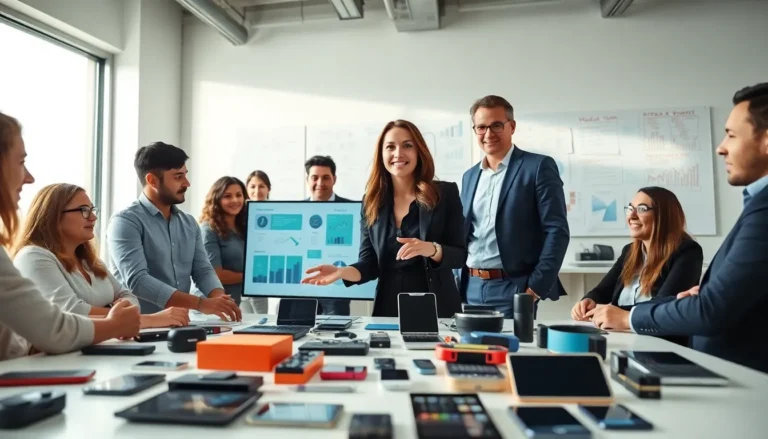

In a world where your fridge can tell you what’s for dinner, and your watch doubles as a personal trainer, the realm of hi-tech and consumer electronics has never been more exciting, or confusing. Let’s face it: keeping up with the latest gadgets can feel like trying to read a novel written in another language. But don’t worry, whether you’re a tech novice or a self-proclaimed gadget guru, this article will break it down for you, in a way that’s both informative and entertaining. So buckle up, because it’s time to jump into the dazzling universe of hi-tech consumer electronics.
The Evolution of Hi-Tech Consumer Electronics

Historical Milestones in Consumer Electronics
The journey of consumer electronics is nothing short of remarkable. It began in the early 20th century, when radio became a household staple, captivating audiences with its wonder. The 1950s heralded the television era, forever changing how stories were told and experienced. Fast forward a few decades, and the introduction of personal computers in the 1980s revolutionized work and play alike. Each step in this timeline reveals how consumer electronics have evolved from simple appliances to complex, multifunctional devices.
Key Technological Advancements
Technological advancements have played a pivotal role in this evolution. Innovations such as transistors shrunk vacuum tubes, making devices smaller and more efficient. Then came the internet, linking users and enabling a new era of connectivity. More recently, advancements in mobile technology, including smartphones and tablets, have redefined communication and accessibility. Today, devices are smarter, smaller, and more intertwined in our everyday lives than ever before.
Current Trends in Hi-Tech Gadgets
Smart Devices and the Internet of Things
Smart devices are no longer just a trend: they’re a lifestyle choice. The Internet of Things (IoT) connects everyday objects to the internet, allowing users to monitor and control them remotely. From smart thermostats adjusting temperatures based on user preferences to smart speakers that play music on command, these gadgets create a seamless living experience. It’s like having a personal assistant, without the awkward small talk.
Wearable Technology: Fitness and Beyond
Wearable technology is another exciting trend. Smartwatches and fitness trackers keep tabs on health metrics, reminding users to get moving or suggesting when to hydrate. They’ve evolved into vital tools for health management, but they also serve fashionable purposes. Imagine knowing you’ve burnt off that slice of cake before you’ve even finished it. More than just health monitors, wearables are now integrating features like notifications, allowing users to stay connected on the go.
Consumer Electronics in the Age of AI
Artificial Intelligence Integration
Artificial Intelligence (AI) is taking the consumer electronics landscape by storm. Devices are becoming more intuitive, learning user preferences over time to enhance functionality. Think smart assistants that recognize voices, adjust settings, and even provide personalized recommendations. As this technology continues to develop, it’s clear that AI will keep shaping the future of consumer electronics.
How AI Is Shaping User Experience
User experience is being transformed by AI through automation and personalization. Smart algorithms analyze data, predicting user needs before they even arise. This means fewer buttons to push and fewer settings to tweak. With AI efficiently managing these tasks, users can focus on what really matters, enjoying their gadgets.
Sustainability in Consumer Electronics
The Push for Eco-Friendly Products
As technology advances, so does the need for sustainability. Consumers are becoming increasingly aware of their environmental footprint, pushing manufacturers to create eco-friendly products. From energy-efficient appliances to biodegradable packaging, the demand for green gadgets is growing stronger. Companies that prioritize sustainability not only attract conscious consumers, but they also contribute to the planet’s well-being.
Recycling and Waste Management Solutions
Recycling is a critical component in reducing electronic waste. Programs are emerging to encourage consumers to dispose of old devices responsibly. Through these initiatives, companies are finding ways to recover materials from obsolete electronics, creating a circular economy that minimizes waste. Efforts like these are essential for ensuring that consumer electronics remain a sustainable part of our lives.
The Future of Hi-Tech Consumer Electronics
Predictions for Upcoming Innovations
What does the future hold for hi-tech consumer electronics? It’s shaping up to be nothing short of fascinating. With developments like augmented reality and enhanced AI capabilities on the horizon, consumers can expect gadgets that provide experiences we can only dream of today. Imagine a virtual assistant that not only manages your calendar but also boosts your productivity by suggesting optimal work patterns.
Challenges Facing the Industry
While the future looks bright, challenges loom. Issues such as data privacy and security remain critical. As devices become smarter and more interconnected, the importance of user data protection cannot be overstated. Balancing innovation with ethical considerations will be crucial for the growth of the industry.