

The case of Gypsy Rose Blanchard has captivated true crime enthusiasts and the public alike, revealing a disturbing tale of deception and tragedy. In a shocking twist, leaked photos from the crime scene have surfaced, igniting a firestorm of interest and debate. These images provide a glimpse into the chilling reality of her life and the events that led to her mother’s murder.
As the story unfolds, the leaked photos raise ethical questions about privacy and sensationalism in the media. They serve as a stark reminder of the complexities surrounding Gypsy’s situation, from her abusive upbringing to the drastic measures she took for freedom. With the public’s fascination growing, it’s essential to examine the implications of these images and what they reveal about society’s obsession with crime and victimhood.
Overview of Gypsy Rose Case
The Gypsy Rose Blanchard case involves a complex narrative of abuse, manipulation, and ultimately, crime. Gypsy Rose, diagnosed with various illnesses by her mother, Dee Dee Blanchard, faced years of medical neglect and emotional abuse. Investigations revealed that Dee Dee fabricated or exaggerated Gypsy’s medical conditions, forcing her to undergo unnecessary treatments and live under strict control.
In June 2015, the case escalated dramatically when Dee Dee was found murdered in their Missouri home. Gypsy, along with her boyfriend at the time, admitted to the crime, claiming it was an act of liberation from her mother’s abusive grasp. This shocking turn of events led to nationwide media coverage and public debate about the dynamics of abuse and the consequences of gypsy’s actions.
The release of crime scene photos related to this case has deepened public interest and raised ethical questions regarding privacy and the portrayal of victims in media. The debate focuses on the morality of sharing such images and the societal obsession with crime narratives. The case continues to evolve, highlighting critical issues surrounding mental health, abuse, and the legal system.
Analysis of Crime Scene Leaked Photos
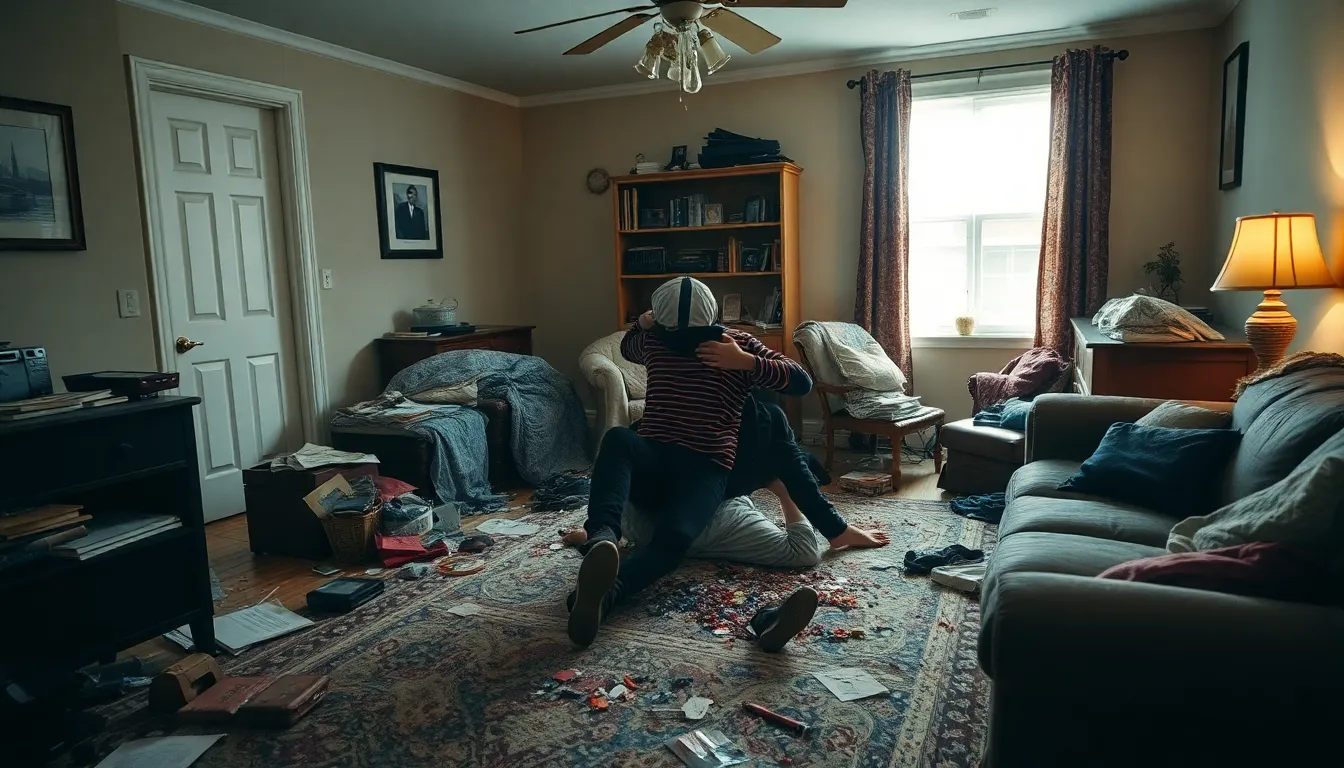
Leaked crime scene photos of Gypsy Rose Blanchard’s case reveal graphic details that underscore the brutal culmination of her traumatic life. These images stir public interest, while simultaneously raising ethical concerns regarding exploitation and privacy.
Photo Content and Context
Photos from the crime scene depict the aftermath of Dee Dee Blanchard’s murder, including the positioning of her body and surrounding elements. Each image presents visceral evidence of the crime, capturing the chaotic environment and potential clues that may inform the investigation. These visuals serve as stark reminders of the domestic turmoil that plagued Gypsy’s early years. Contextual analysis of these images highlights the striking contrast between Gypsy’s previous portrayal as a helpless victim and the complexities of her actions as they unfold.
Impact on Public Perception
The release of these photos significantly influences public perception of the case. Many viewers react with shock and morbid curiosity, leading to sensationalism in media coverage. Such reactions can distort the narrative, overshadowing the psychological aspects of abuse that contributed to Gypsy’s actions. Furthermore, the vivid nature of the images can evoke strong emotional responses, affecting opinions about justice and morality in this highly publicized case. The overall impact emphasizes the delicate balance between informing the public and respecting the privacy of individuals involved in such traumatic events.
Ethical Considerations
The release of crime scene photos related to Gypsy Rose Blanchard’s case raises important ethical questions about privacy and public interest. Addressing these concerns is critical to understanding the broader implications for victims and their families.
Privacy vs. Public Interest
Privacy rights of individuals featured in sensitive cases often clash with the public’s interest in advocacy and awareness. Crime scene images reveal personal and often traumatic experiences. They can invoke public curiosity, transforming individuals into sensationalized subjects rather than preserving their dignity. Legal principles generally protect the privacy of victims and their families, aiming to honor their experiences rather than exploit them for media attention.
Consequences for Victims and Families
The release of sensitive materials affects not only the individuals directly involved but also their families and communities. Victims’ families endure additional trauma when graphic details surface, reopening wounds during a period of mourning. Such exposure can hinder healing processes, provoke public scrutiny, and complicate legal proceedings. The emotional toll can exacerbate mental health issues for loved ones, who may grapple with the fallout of public perception and media narratives framing their experiences.
Legal Implications
Legal implications stem from the release of Gypsy Rose’s crime scene photos and their impact on various stakeholders. Privacy laws govern the dissemination of sensitive materials, particularly concerning victims and their families. Violations can lead to civil lawsuits, as families often seek compensation for emotional distress caused by public exposure.
Release of such images also raises potential issues of defamation and emotional harm. Media outlets that share these photos can face scrutiny for compromising the dignity of the deceased and creating a sensational narrative. Courts have recognized the harmful effects of visual depictions on victims’ families, leading to possible legal repercussions for those responsible for the leaks.
In instances where criminal cases involve minors, such as Gypsy Rose at the time, laws protecting their identities generally become stricter. Unauthorized dissemination of identifying information—such as images—can result in additional charges and civil lawsuits against perpetrators, thereby complicating the legal landscape.
Furthermore, ethical obligations exist for media professionals and law enforcement agencies regarding the handling of crime scene materials. Public interest does not justify the potential harm inflicted on victims’ families or the distortion of the narrative surrounding the case. Journalistic integrity demands a careful balance between reporting facts and respecting individuals affected by traumatic events.
The implications surrounding Gypsy’s case illustrate the need for ongoing discussions about media ethics, victims’ rights, and the boundaries of public interest. Understanding these facets fosters a more comprehensive approach to handling sensitive materials in crime-related cases.
Media Coverage and Influence
Media coverage of the Gypsy Rose Blanchard case remains extensive and multifaceted, significantly impacting public perception. Coverage includes documentaries, news reports, and social media discussions that shape narratives around Gypsy’s actions and her troubled past. High-profile platforms amplify stories, often prioritizing sensational elements over nuances of psychological abuse.
The leaked crime scene photos generated intense media scrutiny, drawing widespread attention. Photos reveal disturbing aspects of the crime, leading to debates over ethical reporting practices. Journalists and media outlets face criticism for disseminating graphic content that raises questions about the dignity of victims and their families.
Public response encapsulates a mix of shock and fascination. Discussion forums and social media platforms witness heightened exchanges about the implications of Gypsy’s transformation from victim to perpetrator. Audiences often grapple with the complexities surrounding autonomy, abuse, and moral ambiguity in Gypsy’s circumstances.
Legal ramifications accompany the media frenzy, particularly concerning privacy laws. Individuals, especially family members of the deceased, experience distress caused by unwarranted public exposure. Legal professionals underscore the potential for civil lawsuits when releases compromise dignity and integrity.
Ethics within the media profession warrant attention, emphasizing the need for responsible reporting. Coverage must balance public interest with respect for individual privacy. Ongoing dialogues about media ethics promote awareness around the consequences of sensationalism, ensuring coverage does not exploit vulnerable subjects.
Cases like Gypsy Rose’s serve as crucial examples for future reporting, highlighting the importance of navigating the line between informing the public and protecting personal rights. The discourse emphasizes the implications of media practices on victims’ families, mental health, and societal narratives surrounding crime and abuse.
The release of Gypsy Rose’s crime scene photos has ignited a complex discussion about ethics and media responsibility. While the public’s fascination with her story continues to grow the impact on her family and the broader conversation about abuse must not be overlooked. These images serve as a stark reminder of the trauma that led to such a tragic event.
As society grapples with the implications of sensationalized media coverage it’s crucial to prioritize empathy and understanding over curiosity. Balancing the public’s right to know with respect for individual privacy remains a significant challenge. The ongoing dialogue surrounding Gypsy’s case highlights the need for responsible reporting that honors the dignity of those affected by crime and abuse.